
Whether you have a small, suburban-size yard or a large, rural property, good lawn care is essential for your home. It will enhance your home’s appearance with well-manicured surroundings that boost curb appeal and property values.
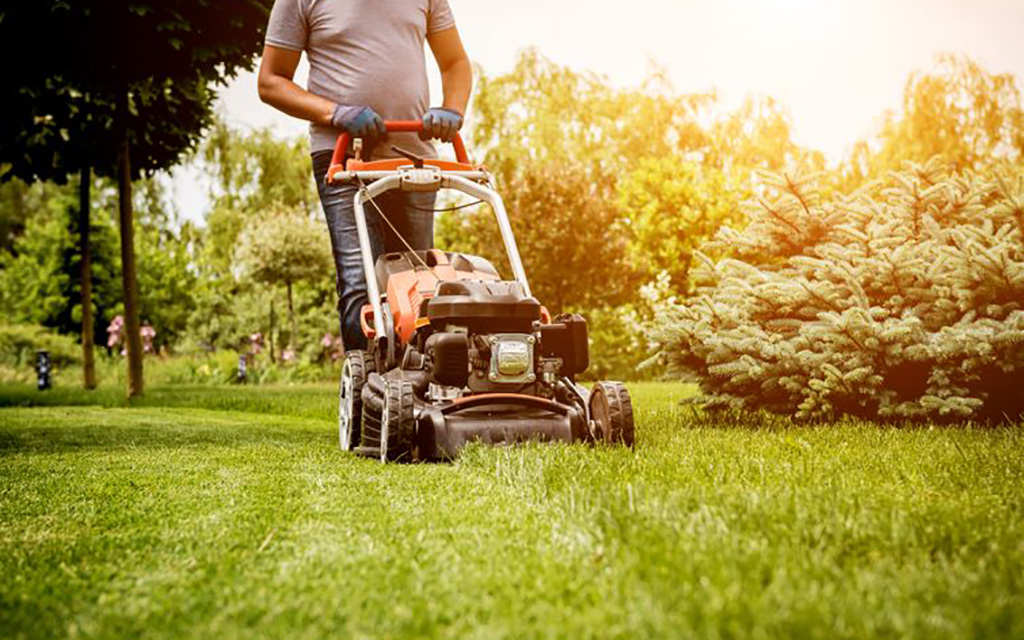
When it comes down to taking care of your lawn, you can spend countless hours every week to ensure that it looks it's best. Knowledge about the perfect time to cut, how long to cut the grass, how often to cut, as well as weeding and fertilization also play an important role. If you want to take back your weekends and save time, a professional company can make sure that happens. Here are some questions that some customers have asked us:
If you want your lawn to look it's best we recommend weekly mowing. Furthermore if you fertilize or overseed, then the grass will grow a lot faster, especially in the spring and summer. This weekly mowing will also make your grass grow thicker and and prevent weed growth.
Since lawn mowing puts stress on the grass blades and roots we suggest not removing more than 1/3 of of the grass blade height. If you mown your lawn too low you expose the lawn to more of the sun which can increase weed growth during the warmer months. Lee River Lawn is careful to make sure your grass is the perfect height every time we cut your lawn.
Every week your lawn needs an inch or so of water. So whether this comes from rain fall or through your sprinkler system, this is important for your grass to to build strong roots. But also remember that too little water as well as too much water can cause problems as well. Light watering can cause grass to build shallow roots while watering too much can build an environment where insects and lawn diseases can flourish. If there are any questions about watering please contact us.
When you water your lawn affects how well your grass grows. Here are a few watering tips:
Fertilization ensures that your lawn gets the necessary nutrients to become lush, healthy and green. Because your grass needs to develop healthy strong roots to grow and most soils dont have the required nutrients, fertilization is needed. There are six primary nutrients that plants require. Fertilizer will provide your grass with the nitrogen, phosphorus and potassium that most soils lack. Nitrogen is required for your lawn to produce new growth. Phosphorous helps with building strong root growth. Potassium helps with the overall vigor and health of your grass. Questions about fertilization? Contact us or view our fertilization and weed control page for more information.
The best times to fertilize your lawn is in the Spring through Fall. Late April to early May is an important time to fertilize your lawn because it will jump-start grass and root growth after a cold Manitoba winter when essential nutrients get depleted. It’s best to choose a light, slow-release or organic type fertilizer that won’t burn your lawn. In Manitoba, September is also an important time to fertilize. Early Fall fertilization will help protect your lawn during the winter by allowing grass to store essential nutrients in their root systems. Cool-season grasses need a complete fertilizer as opposed to one that’s only high in nitrogen. Based on your grass type and existing soil conditions, your lawn care professional can answer your lawn care questions on proper fertilization schedules.
Weeds can sprout up at any time and come in two different varieties: broadleaf weeds and grassy weeds. Broadleaf weeds include items like dandelions, chickweed, purslane and clover. Grassy weeds include crabgrass which can quickly grow in your lawn, creating a problem. Since grassy weeds flourish under the very same conditions as your lawn, so treating your grass could help these types weeds grow. Since there are many weed varieties, weed control is necessary for all lawns. For more information on weed control visit our page on fertilization and weed control.
Contact us today and let us help you with your yard maintenance.