
If you want a thicker and greener lawn, overseeding is the answer. Overseeding is the one secret that is key to make sure your lawn is vibrant and has that lush feeling under your feet. For more information on overseeding, read below.
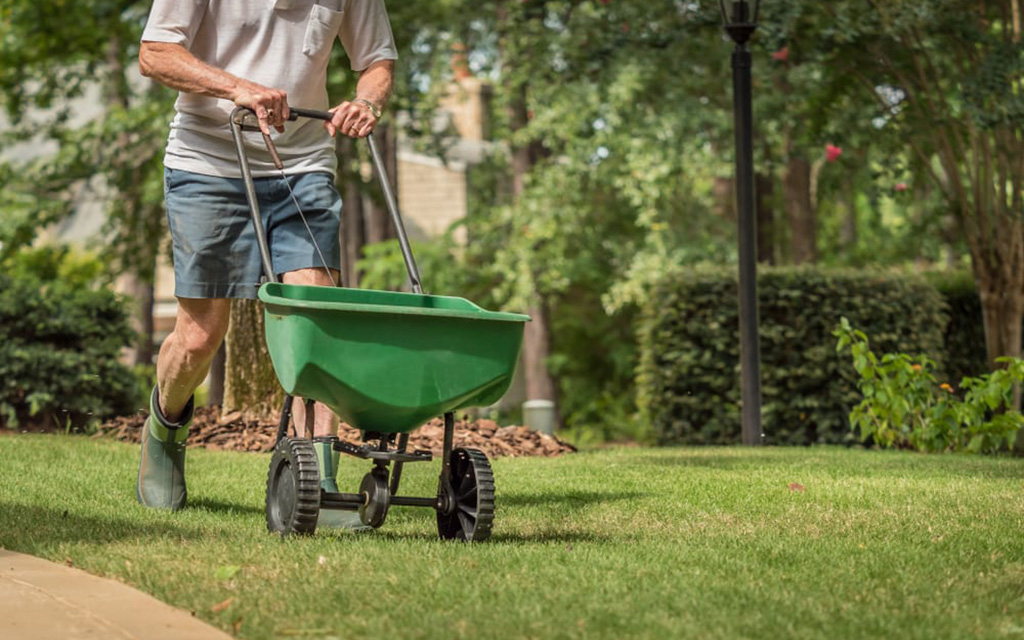
As time goes on, cool-season grass plants mature, and their reproduction rates begin to slow down. This can leave your lawn looking dull and unhealthy.
Overseeding is an easy, cost-effective practice you can implement in your lawn care routine to give your existing lawn a boost in the growing seasons. Once complete, you’ll have a lawn with enhanced color, thickness, and improved appearance over time.
Here is your comprehensive guide, with easy step-by-step instructions on how to overseed a lawn with cool-season grass seed:
This is when you spread new seed over an existing lawn. This is a great option for those who want to thicken their lawn especially in the areas where the lawn isn't as thick or has a few dead spots.
One of the biggest reasons to look at overseeding is that it helps a lawn that isn't as lush grow thicker and it revitalizes the grass without having to start from scratch laying new sod or trying a different seed. With time all lawns will lose it's luster that it had due to weather conditions, sun exposure, traffic, or even lawn diseases. Overseeding helps fix these issues by revitalize your lawn and also increases the ability to resists the growth of weeds and diseases that can hurt a lawn. Thin lawns are conditions where weeds can flourish because of the availability of space and well as their ability to germinate into the soil. Overseeding denies weeds from even getting into the needed soil.
If you want to overseed your lawn, knowing the right time is needed if you want great results. Overseeding depends on the type of grass seed you have as well as the season. The two best seasons to overseed is early spring when the temperates are are cool and the soil temperatures are warm. These are the best conditions for the seeds to germinate and grow.
Contact us today and let us help you with your yard maintenance.